







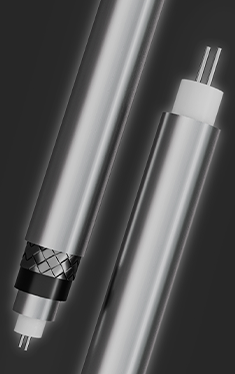



A Practical Solution to Improve TEC Cable Field Termination Efficiency
In oilfield operations, small improvements in cable handling can make a significant difference during installation and completion activities.
TEC Cable (Tube Encapsulated Cable) is widely used for ESP systems, permanent downhole monitoring, and pressure-temperature measurement applications because of its reliable structure and protection capability in harsh well environments.
However, one common challenge remains during field installation: removing the outer encapsulation layer during cable termination.
In May 2026, a field test was conducted at a North American oilfield site to compare a traditional TEC Cable design with a new TEC Cable with integrated steel rip cord. The purpose of the test was to evaluate whether a simple structural improvement could make cable preparation easier for field technicians.
The result demonstrated that adding a small stainless steel rip cord provided a more convenient stripping method without changing the basic TEC Cable structure.
During downhole cable installation, technicians need to remove part of the outer jacket to prepare the cable termination.
Traditional TEC Cable designs provide excellent protection through a strong outer encapsulation layer. However, during field preparation, this same protection can create challenges.
The field team identified several common issues:
- The outer jacket was difficult to cut manually.
- Multiple tools were required for cable preparation.
- Extra time was needed to carefully remove the jacket.
- Improper cutting could create a risk of damaging internal cable components.
For offshore operations, remote wellsites, or projects with strict installation schedules, reducing cable preparation difficulty can improve overall efficiency.
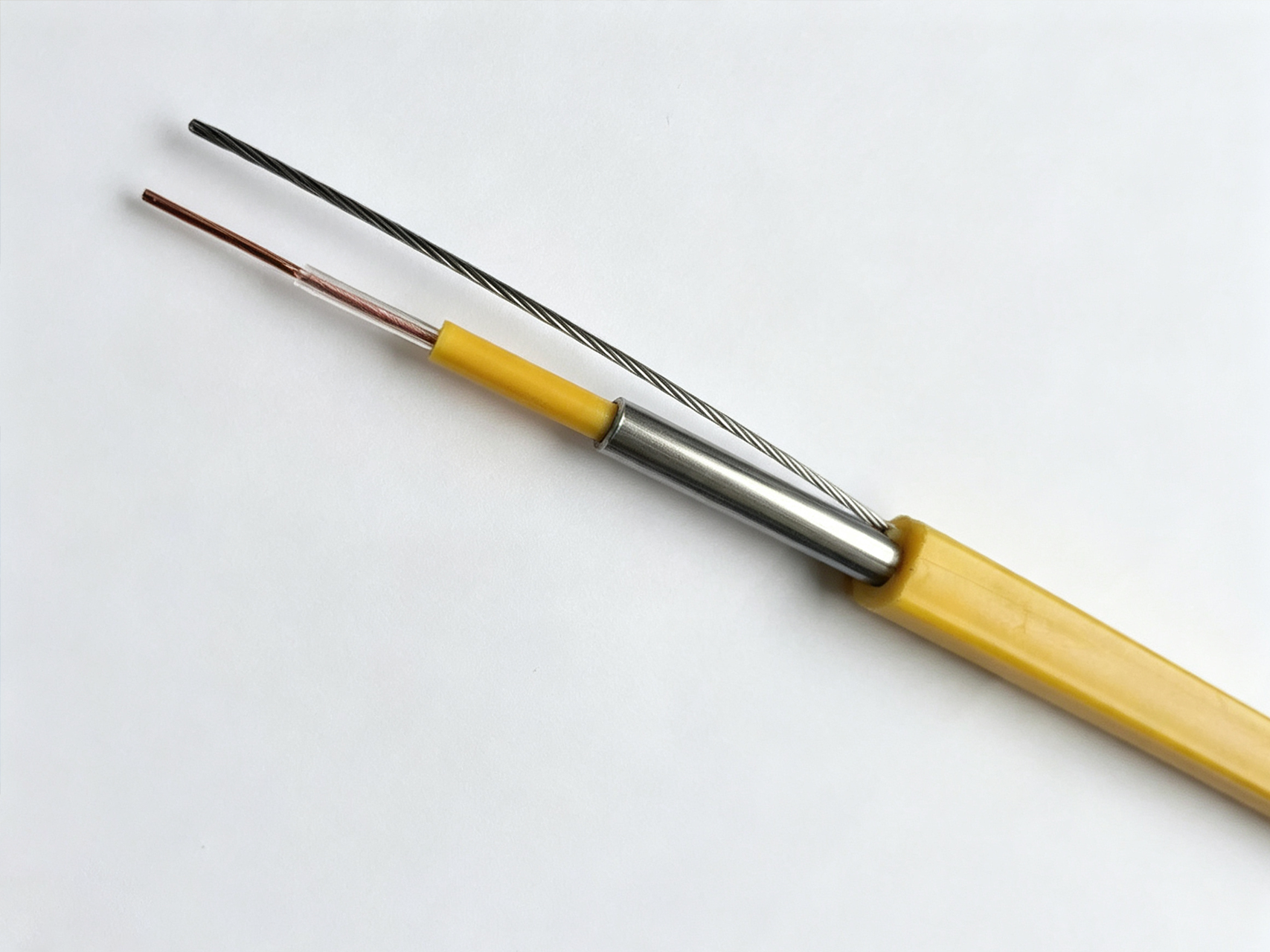
Test Location
- Location: North American oilfield site
- Test Date: May 2026
- Application: TEC Cable field termination preparation
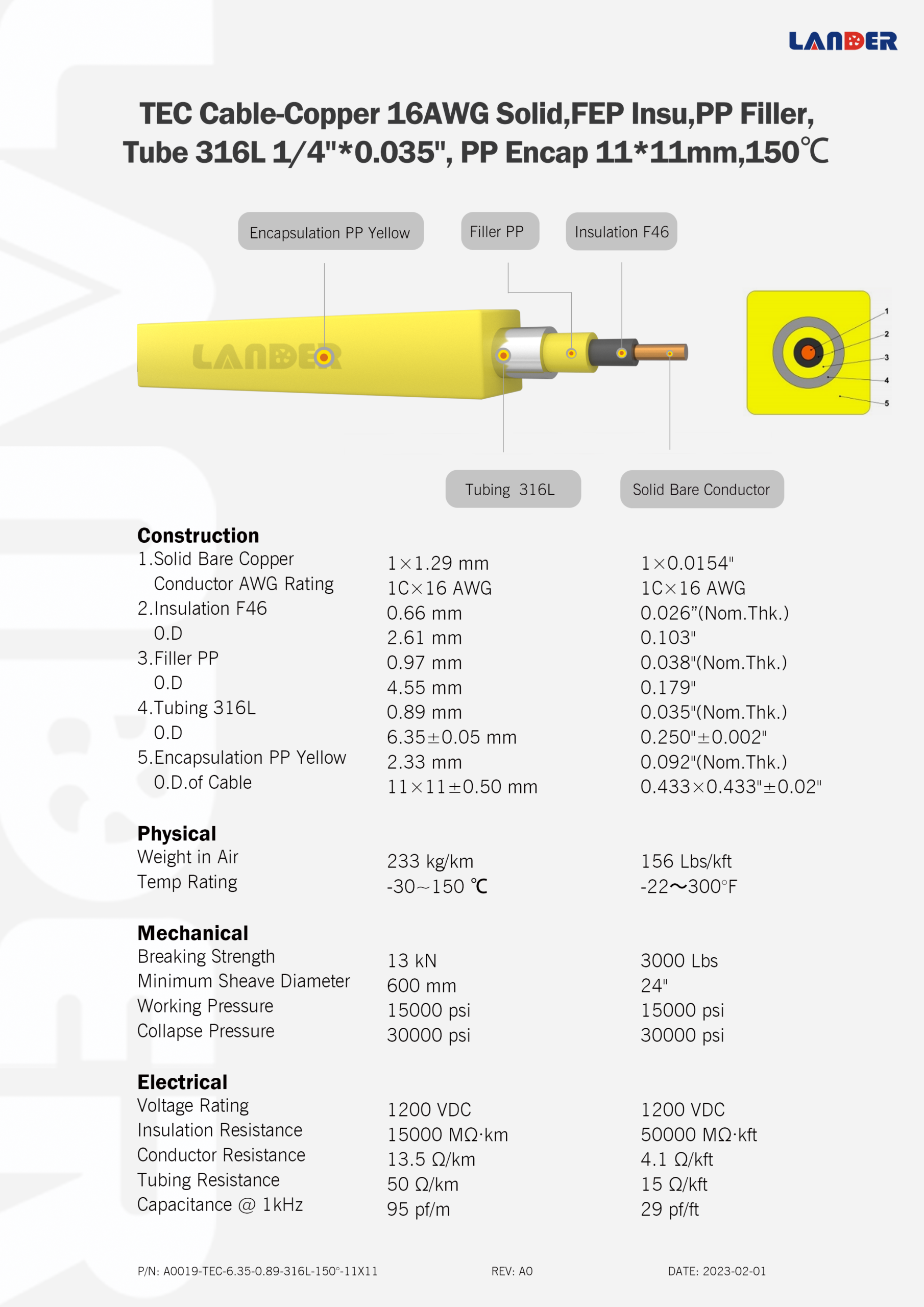
The test compared two TEC Cable designs:
Cable A: Traditional TEC Cable
Standard TEC Cable construction:
- Solid copper conductor
- FEP insulation
- PP filler
- 316L stainless steel tube
- PP outer encapsulation
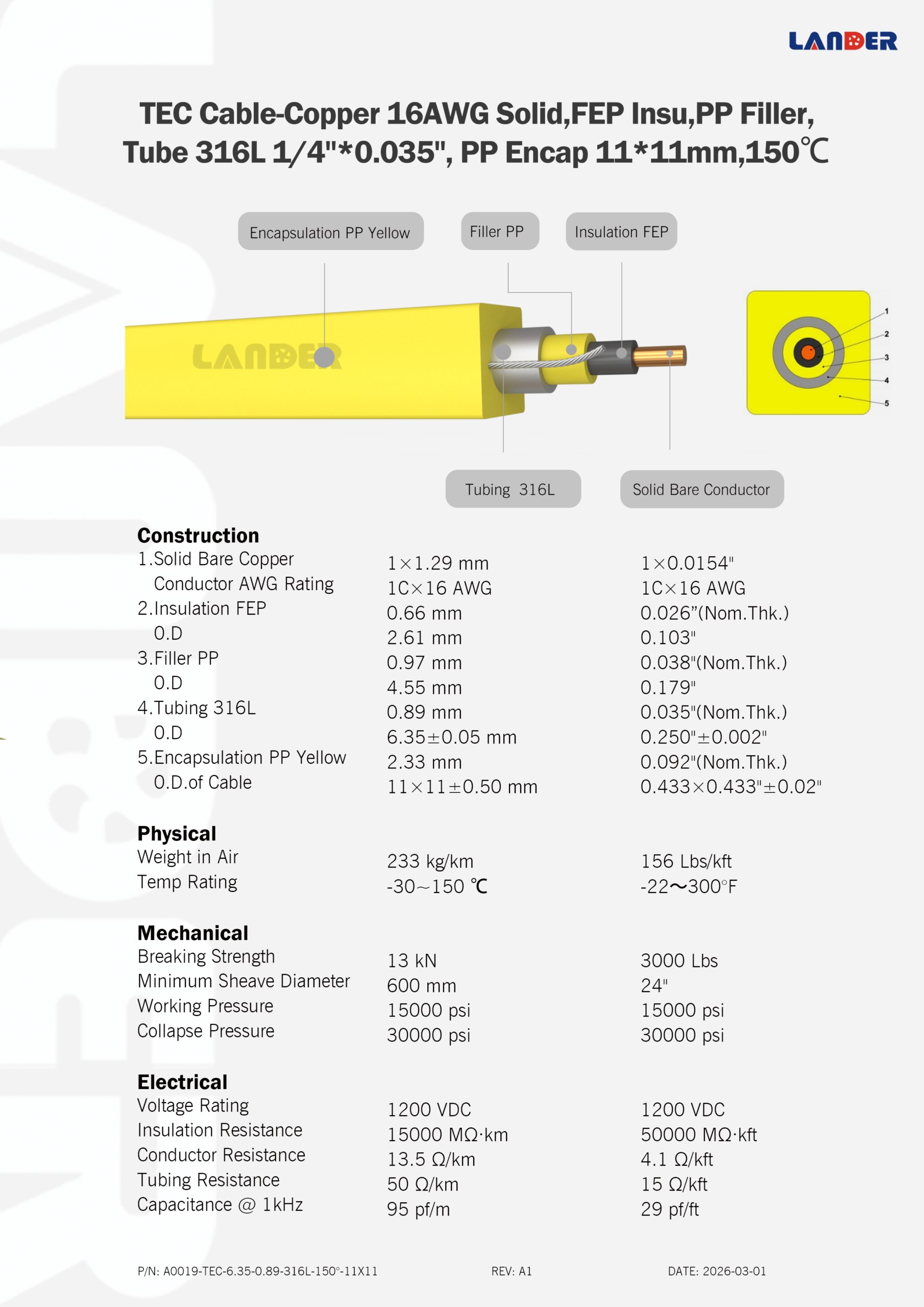
Cable B: TEC Cable with Integrated Steel Rip Cord
The upgraded design included an additional internal rip cord:
- Diameter: approximately 1.0 mm
- Construction: 7-wire stranded steel wire
- Material options:
- Stainless Steel 304
- Stainless Steel 316
The rip cord was installed inside the outer encapsulation layer during manufacturing.
Test Process and Field Observation
During the test, technicians performed the same jacket removal operation on both cable designs.
Traditional TEC Cable
The standard stripping process required:
- Measuring the stripping area
- Cutting the outer jacket manually
- Repeating the cutting process when necessary
- Carefully removing the jacket section
The main challenge was controlling the cutting depth while protecting the internal cable structure.
Rip Cord TEC Cable
For the improved design, technicians used the integrated steel rip cord to create a controlled opening path.
The process included:
- Locating the rip cord position
- Pulling the steel rip cord
- Opening the outer encapsulation layer
- Removing the required jacket section
The field team found that the rip cord provided a more predictable and convenient method for jacket removal.
Why Add a Steel Rip Cord to TEC Cable?
The concept behind the design is simple:
A TEC Cable must be strong enough to survive transportation, installation, and downhole operation. However, it should also be practical for technicians during field preparation.
The integrated rip cord provides a balance between:
- Strong protection during operation
- Easier preparation during termination
The rip cord is only an installation assistance component. It does not affect:
- Electrical conductor performance
- Stainless steel tube function
- Pressure containment capability
- Basic cable structure
The original TEC Cable design remains unchanged.
TEC Cable Structure and Application
A typical TEC Cable used for oilfield applications may include:
| Component | Material | Function |
| Conductor | Solid Copper | Electrical transmission |
| Insulation | FEP | Electrical protection |
| Filler | PP | Structural support |
| Tube | 316L Stainless Steel | Mechanical and pressure protection |
| Outer Encapsulation | PP | Environmental protection |
Typical applications include:
ESP Systems
TEC Cable is commonly installed with:
- ESP motors
- Downhole gauges
- Pressure and temperature sensors
Permanent Downhole Monitoring
Applications include:
- Reservoir monitoring
- Production data acquisition
- Downhole pressure measurement
Oilfield Service Operations
The improved design can support service teams that require faster and easier cable preparation at different well locations.
TEC Cable Quality and Customization
For oilfield applications, cable reliability depends on both design and manufacturing control.
Typical quality documents may include:
- Material certificates
- Dimensional inspection reports
- Electrical test reports
- Conductor resistance test
- Insulation resistance test
- Visual inspection records
TEC Cable designs can also be customized based on:
- Cable OD
- Conductor configuration
- Temperature requirement
- Pressure requirement
- Stainless steel tube material
- Outer jacket material
Frequently Asked Questions
Does the rip cord change TEC Cable performance?
No. The rip cord is separated from the electrical system and is designed only to assist jacket removal.
Does the rip cord significantly increase cable cost?
The added material quantity is small compared with the complete TEC Cable structure. It provides additional field convenience with limited cost impact.
Can the rip cord be applied to different TEC Cable designs?
Yes. The rip cord concept can be customized according to cable size, jacket material, and customer installation requirements.
Conclusion
The May 2026 North American field test demonstrated that a small design improvement can solve a practical installation challenge.
By integrating a 1 mm stainless steel rip cord into TEC Cable, Lander provides a more field-friendly solution for cable termination preparation.
For ESP systems, downhole monitoring applications, and oilfield service operations, Rip Cord TEC Cable helps technicians improve handling efficiency while maintaining the reliability of traditional TEC Cable construction.
Contact Lander for Customized TEC Cable Solutions
If your project requires easier TEC Cable termination, customized cable structures, or improved field installation solutions, contact Lander’s engineering team.
Please provide:
- Cable specification
- Application environment
- Temperature and pressure requirements
- Installation requirements
Lander can provide customized TEC Cable and downhole cable solutions based on your project needs.